
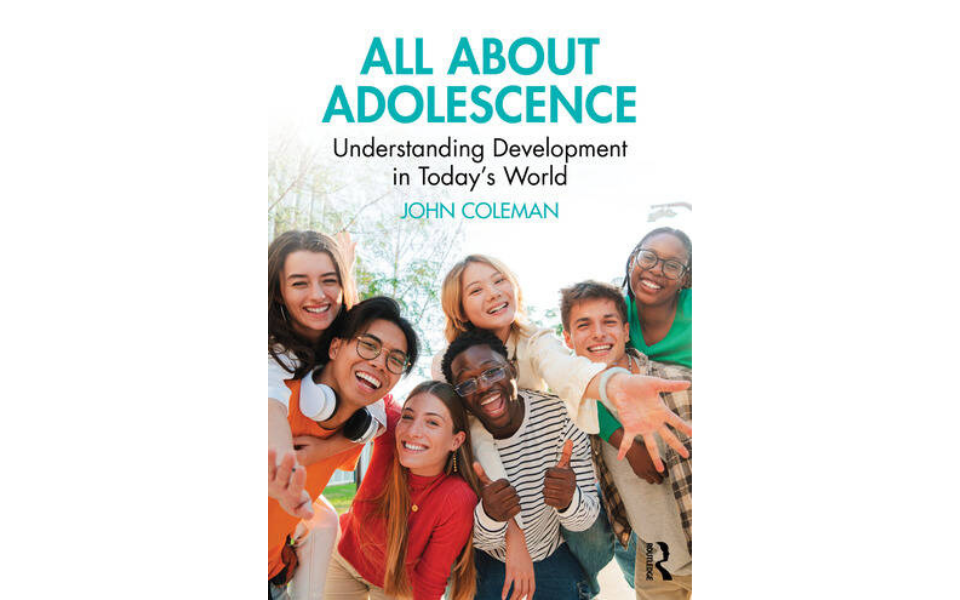
In his new book, published by Routledge, John Coleman OBE, looks at key aspects of adolescent development and addresses the unprecedented changes affecting young people’s lives, including the social media explosion, artificial intelligence (AI) emergence, pandemic impacts and growing climate emergency awareness.
As I started to write this book, I realized how hard it would be to cover all the changes that have occurred in the lives of young people. My last book on this topic “The nature of adolescence” was published in 2012, and since that time many things which affect the world of adolescence have altered beyond recognition. These include the explosion of social media, the growth of artificial intelligence (AI), the pandemic and its impact on health, changing notions of identity, and an increasing awareness of climate change. All these things have meant that writing a book about these years has presented some significant challenges.
When I began, I imagined that I would have a small section in the chapter on the peer group which covered social media! I soon came to realize that social media was relevant to every single chapter. It proved necessary to approach every topic with the impact of social media in mind.
Since 2012 I have worked on translating our knowledge of the teenage brain into information that is useful for adults who live and work with young people (e.g. my book “The teacher and the teenage brain”, published in 2016) I believe that this new knowledge makes a profound difference to the way this stage of life is understood. All the old puzzles about the teenage years can now be understood through the lens of the changes in the brain. I have put this knowledge front and centre of “All about adolescence”.
I have constructed this book to emphasize a positive perspective on adolescence. I have included my own STAGE approach, which provides parents and professionals with a helpful perspective aiding them to understand this phase of development. I have also made a special effort to emphasize issues to do with health. Thus, I have included separate chapters on physical health, sexual health and mental health. In addition, my concluding chapter is concerned with resilience and well-being.
In thinking about the key “take-aways” from this book, I would highlight the following topics that spring to mind:
- Concern over a probable increase in mental health issues for young people;
- Poor experiences of menstruation for young women;
- Problems for young women in accessing suitable health services;
- Pressures on young people to form intimate relationships at an early age;
- Challenges for adolescents over identity issues, and the way this is affected by social media;
- The impact of technology on the everyday lives of young people;
- A growing awareness of well-being, and the encouraging way young people are approaching this themselves.
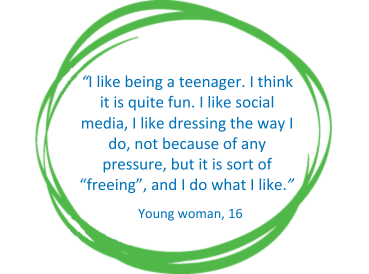
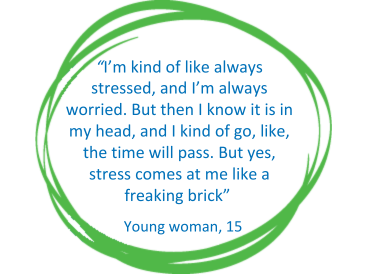
I was struck by the duality of adolescence. One the one hand this is a positive stage of life, with many opportunities for young people. One the other hand there are difficult challenges and hurdles, and this too is reflected in the interview material that was collected as part of the preparation for the publication. Here are two examples that reflect this.
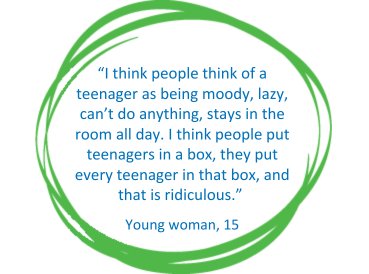
I will conclude with a quote that reflects just how important it is for adults to think carefully about how they view and approach young people.
Author: John Coleman
July 2026